

 Facebook
 X
X
 Pinterest
 Copy Link
You Read This:
Understanding Waterfront Property: Riparian vs. Littoral Rights
When buying or selling waterfront property in Florida, the “view” is only half the story. The other half is found in the legal rights that come with the land. For homeowners and investors, understanding the distinction between Riparian and Littoral rights is essential for knowing exactly what you own and what you can build.
In Florida—a state defined by its rivers, lakes, and coastline—these water rights are a fundamental part of real estate value.
Riparian Rights: The Power of Flowing Water
Riparian rights apply to landowners whose property borders a flowing body of water, such as a river or a stream.
The term comes from the Latin ripa, meaning riverbank. If you own riparian land, you generally have the right to “reasonable use” of the water. This includes:
-
Access: The right to reach the water from your land.
-
Usage: Using the water for domestic purposes, like irrigation or gardening.
-
Accretion: Gaining ownership of new land that is naturally and gradually deposited on your bank.
Littoral Rights: Living by the Shore
Littoral rights apply to properties that border non-flowing or “static” bodies of water. This includes oceans, gulfs, and large navigable lakes.
In coastal areas like Sarasota and Manatee County, littoral rights are the standard. Because these waters are subject to tides, the boundary of your ownership is typically the mean high-water mark. Everything seaward of that line is usually considered sovereign state land, held in public trust.
The “Changing” Border: Accretion, Reliction, and Erosion
One of the most unique aspects of waterfront ownership is that your property line can literally move. Nature is constantly reshaping the coast and riverbanks through four main processes:
-
Accretion: The gradual buildup of land by waterborne soil. This adds to your lot size.
-
Reliction: When water recedes permanently, uncovering new land. This also generally belongs to the property owner.
-
Erosion: The slow wearing away of your land. Unfortunately, this usually results in a loss of property.
-
Avulsion: A sudden, violent change (like a hurricane or flood) that strips land away. Unlike erosion, avulsion typically does not change the legal boundary lines of the property.
Why Does This Matter for You?
Whether you are looking at a luxury estate in Lakewood Ranch with lake access or a waterfront home on Long Boat Key, these rights dictate your lifestyle. They determine:
-
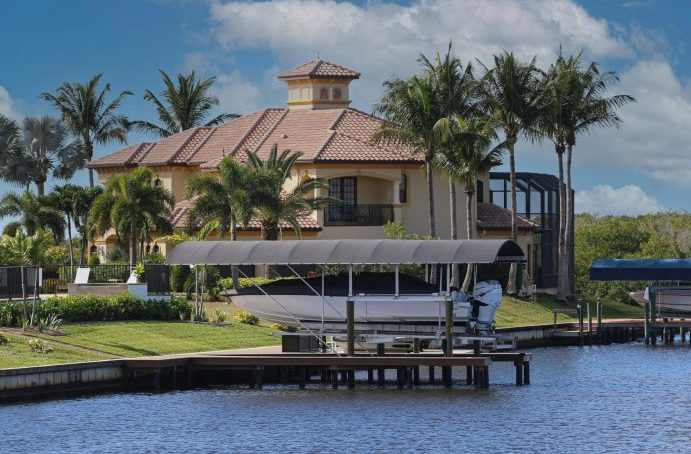
Where you can legally place a dock or boat lift.
-
How much of the “beach” in your backyard is actually private.
-
Your responsibilities for maintaining the shoreline or sea wall.
The Bottom Line
Navigating water rights requires a keen eye for detail and local expertise. Before signing a contract on a waterfront property, it is vital to review the survey and understand the specific local and state regulations that govern your slice of paradise.
Are you looking for a home with specific water access? Understanding these nuances is the first step toward a successful investment.
Article written with the assistance of Gemini
Photo courtesy of Pexels
